
What’s the Difference — and Which Is Right for You?
Oxygen is essential for cellular energy, tissue repair, and immune regulation. In Orange County and beyond, two oxygen-based therapies are gaining attention: Hyperbaric Oxygen Therapy (HBOT) and Oxygen Bath Therapy.
Although both support oxygen utilization, they work through very different physiological pathways.
Understanding that difference matters.
How Hyperbaric Oxygen Therapy Works
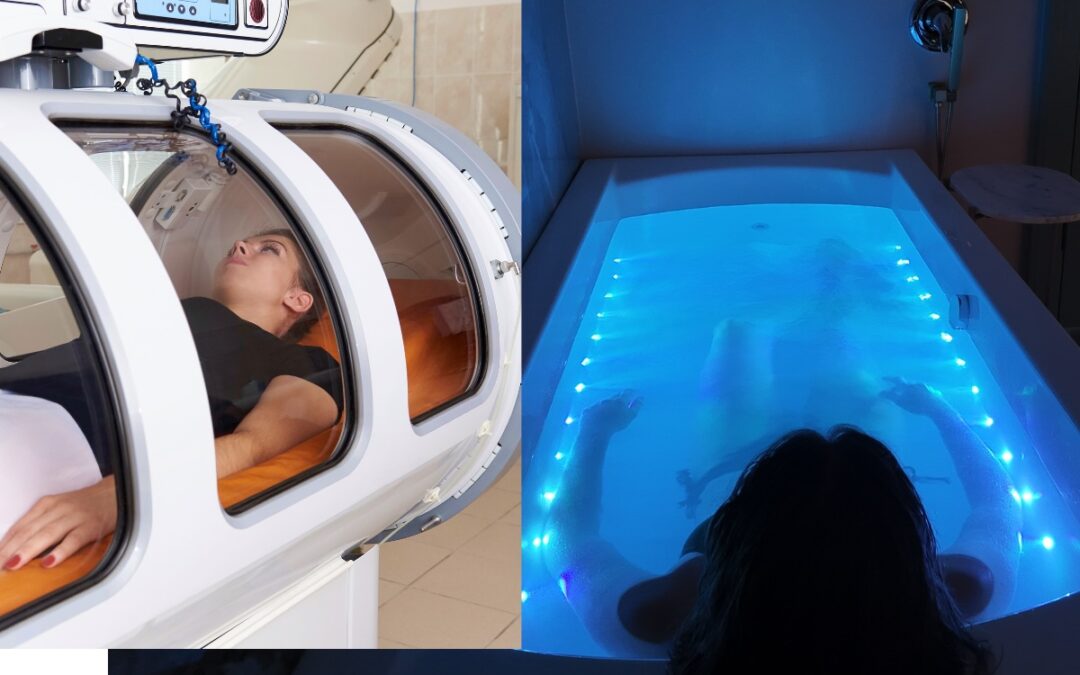
Hyperbaric Oxygen Therapy involves breathing nearly 100% oxygen inside a pressurized chamber (typically 1.5–3.0 ATA).
Under pressure, oxygen dissolves directly into the blood plasma at concentrations significantly higher than normal breathing (Moon, 2019). That oxygen is then delivered systemically through circulation to tissues throughout the body.
HBOT Key Characteristics
- Pressurized chamber
- Inhaled medical-grade oxygen
- Rapid increase in plasma oxygen levels
- Clinical / hospital setting
FDA-approved for specific medical conditions
Because of the pressurized environment and oxygen concentration, HBOT requires medical supervision.
Potential Risks of HBOT
While generally safe when administered properly, risks may include:
- Barotrauma (ear or sinus pressure injury)
- Oxygen toxicity (rare but possible at high pressures)
- Claustrophobia
- Temporary vision changes
- Lung injury in rare cases
(FDA, 2021; UHMS, 2023)
For this reason, HBOT is typically reserved for acute or medically indicated conditions.
As some physicians note, it is a powerful intervention — but not without risk.
How Oxygen Bath Therapy Works
Oxygen Bath Therapy involves immersion in warm water infused with stabilized oxygen.
Unlike HBOT, this therapy does not rely on pressure. Instead, it supports the body through:
- Warm water immersion
- Microcirculatory stimulation
- Nervous system regulation
- Relaxation response activation
Ken LaCroix describes the conceptual difference this way:
“HBOT delivers oxygen into the bloodstream first and then into tissues. Oxygen bath therapy works from the outside inward — interacting with cells, tissues, organs, and systems before any systemic distribution occurs.”
While oxygen baths do not measurably increase plasma oxygen the way HBOT does, research on hydrotherapy and balneotherapy shows benefits in circulation, inflammation modulation, and autonomic nervous system regulation (Bender et al., 2005; Nasermoaddeli & Kagamimori, 2005).
A Critical Distinction: Supervision & Risk
One of the most important differences between these therapies is oversight.
HBOT:
- Requires medical supervision
- Involves pressurization risks
- Is classified as a medical treatment
Oxygen Bath Therapy:
- Does not require pressurization
- Is generally well tolerated
- Is offered in wellness settings
- Supports relaxation and parasympathetic activation
That difference alone may influence which modality is appropriate for someone with chronic sensitivity or nervous system dysregulation.
Which Is Better?
It depends entirely on your goal. Acute trauma, radiation injury or non-healing wounds?
HBOT may be clinically appropriate.
Chronic inflammation, stress regulation, recovery support, autoimmune challenges, or long-term cellular wellness?
Oxygen bath therapy may provide a gentler systemic approach.
They are not competitors. They are different tools.
What About Combining Them?
Some practitioners integrate multiple oxygen-support strategies.
There is limited research on combining HBOT with oxygen-enriched hydration or hydrotherapy. While anecdotal reports suggest potential synergy, more clinical evidence is needed to confirm long-term tissue oxygen retention effects.
Strategic stacking should always be guided by a qualified provider.
The Bottom Line
Hyperbaric Oxygen Therapy increases oxygen in the bloodstream rapidly through pressure.
Oxygen Bath Therapy supports systemic regulation through immersion and microcirculatory stimulation.
One is a high-intensity medical intervention.
The other is a gentle regulatory wellness modality.
The better question isn’t “Which is superior?”
It’s what stage of healing are you in — and what level of intervention does your body need?
References
Bender, T., Karagülle, Z., Bálint, G. P., Gutenbrunner, C., Bálint, P. V., & Sukenik, S. (2005). Hydrotherapy, balneotherapy, and spa treatment in pain management. Rheumatology International, 25(3), 220–224. https://doi.org/10.1007/s00296-004-0487-4
Food and Drug Administration. (2021). Hyperbaric oxygen therapy: Get the facts. U.S. Department of Health and Human Services. https://www.fda.gov
Moon, R. E. (2019). Hyperbaric oxygen therapy indications. Undersea & Hyperbaric Medical Society Guidelines.
Nasermoaddeli, A., & Kagamimori, S. (2005). Balneotherapy in medicine: A review. Environmental Health and Preventive Medicine, 10(4), 171–179. https://doi.org/10.1007/BF02897706
Undersea & Hyperbaric Medical Society. (2023). Indications for hyperbaric oxygen therapy. https://www.uhms.org